
There are not many industries that had to rebuild consumer trust in real time, in public, while regulators watched from the next room. Cannabis retail is one of them. And the way it has handled that challenge says something genuinely interesting about brand communication under pressure.
Walk into a licensed cannabis dispensary in Cincinnati, OH today and the experience is nothing like what the culture prepared you for. It is closer to a well-designed pharmacy than anything else. Products are sealed, labeled, and arranged by type. Staff explain serving sizes before you ask. Every package tells you exactly how much THC is in one portion and how much is in the whole thing. The message the environment sends is consistent and deliberate: we have thought about this more carefully than you might expect.

That consistency is not accidental. It is the result of an industry learning, under regulatory pressure, what good consumer brands figured out decades ago – that trust is built through clarity, not persuasion. When a new category enters mainstream retail, the brands that survive are rarely the loudest. They are the ones that make the unfamiliar feel manageable.
Edibles are a useful case study in this. The format carries more anxiety than most consumer products because the effects are delayed and dose-dependent in ways that are not intuitive. A new buyer does not know what 10 milligrams means in practice. That uncertainty is a brand problem as much as a pharmacological one. The solution the industry landed on – standardized serving sizes, clear per-serving labeling, child-resistant packaging, trained floor staff – is essentially a brand communication system designed to lower the barrier for first-time buyers without alienating experienced ones.
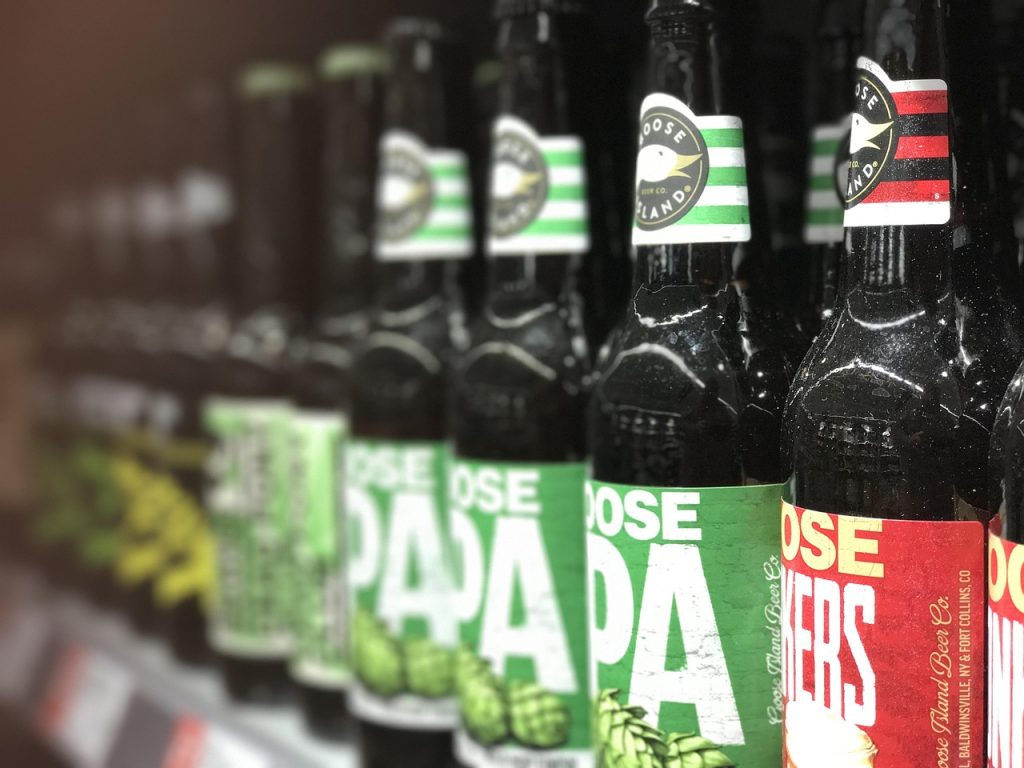
It mirrors what happened with craft beer two decades ago. A category that began as niche and slightly intimidating gradually developed a visual and verbal language that made it accessible. Tasting notes replaced jargon. Smaller serving formats appeared. Staff became knowledgeable rather than just present. The product did not change – the communication around it did.
Cannabis retail is at roughly that inflection point now. The brands that understand they are selling confidence as much as product will be the ones that define the category long term. The label is not just a regulatory requirement. It is the handshake.