
Collecting memories is something most of us do without realizing it. A photo saved on a phone, a handwritten note tucked into a drawer, or a souvenir brought back from a meaningful day all serve as quiet reminders of where we’ve been and who we were at the time. The fun of collecting memories lies in their emotional value rather than their appearance. Each item becomes a snapshot of a feeling, a relationship, or a moment that once mattered deeply, and often still does.
Why We Love to Hold On to the Past
Memories give us continuity. As life changes, familiar reminders help ground us in our personal story. Looking back at old keepsakes can instantly transport us to a different version of ourselves, sparking laughter, nostalgia, or even a sense of comfort. This is especially true when memories are tied to shared experiences, such as school days, friendships, or family traditions. Collecting these moments allows us to revisit periods of life that shaped our values and perspectives.
Turning Memories into a Personal Collection
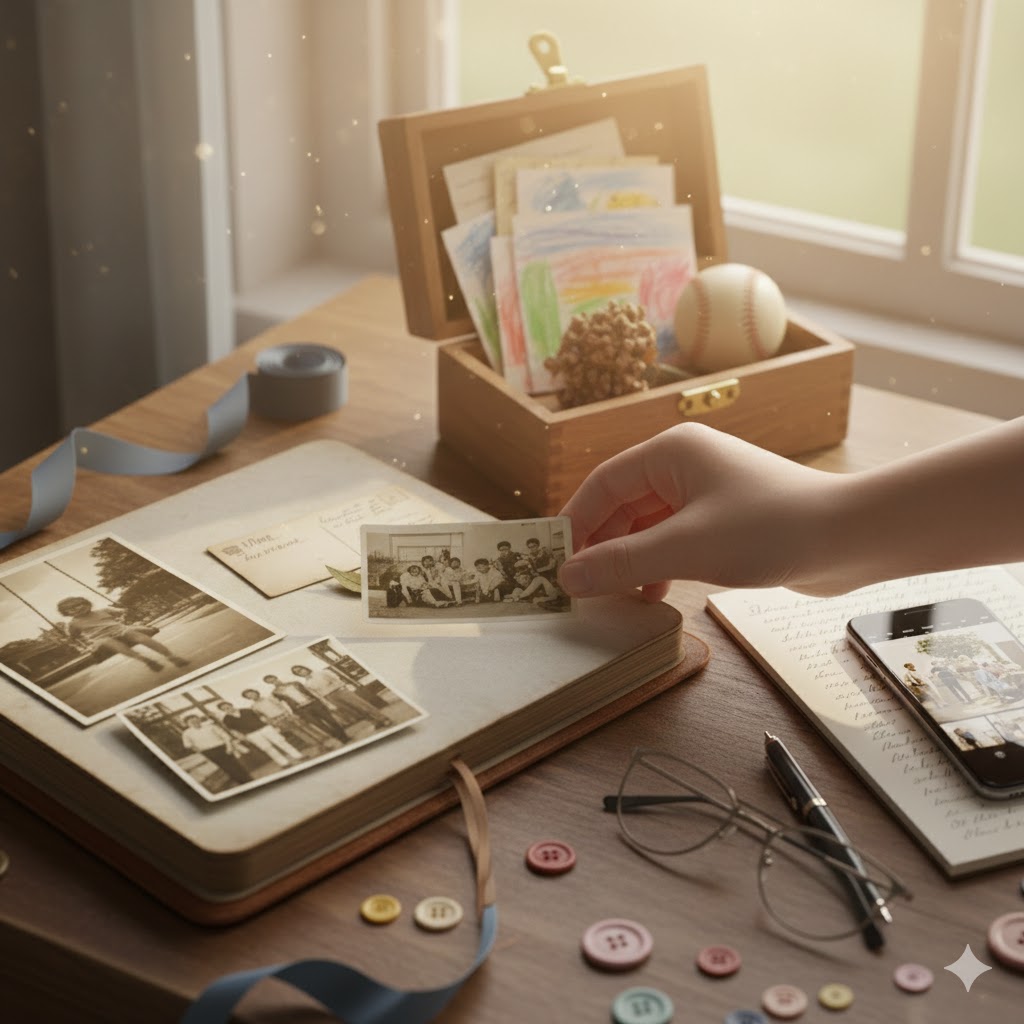
There is a special satisfaction in intentionally curating memories rather than letting them fade into forgotten folders or boxes. Scrapbooks, memory boxes, photo albums, and digital archives all offer ways to organize meaningful moments. Some people enjoy collecting physical items like letters or drawings, while others prefer digital photos and scanned documents. The key is choosing a method that feels personal and enjoyable, turning the act of collecting into a creative outlet rather than a chore.
The Role of Childhood Keepsakes
Childhood memories often hold a unique emotional weight. They represent first friendships, early achievements, and moments of innocence that feel increasingly precious over time. Items like drawings, certificates, and school mementos can be especially powerful. For many people, flipping through elementary school yearbooks becomes a way to reconnect with who they were and the people who shared those early experiences. These keepsakes often spark stories that might otherwise be forgotten, making them invaluable parts of a personal memory collection.
Curating Memories with Intention
Curation is what transforms a pile of keepsakes into a meaningful collection. Rather than saving everything, curating memories involves selecting items that really resonate. This process encourages reflection, helping you decide which moments best represent different chapters of your life. Adding short notes or captions can further enhance the experience, providing context and preserving details that might fade with time. The act of curating becomes a reflective journey, allowing you to appreciate how far you’ve come.
Sharing Memories with Others
Memories often become even more meaningful when shared. Revisiting old photos with family or friends can strengthen bonds and spark conversations that deepen relationships. Sharing curated memories also allows others to see your story through your eyes, creating opportunities for connection and understanding. Whether through physical albums or digital collections, shared memories have a way of bringing people closer together.
Preserving Moments for the Future
Collecting and curating memories isn’t just about looking back; it’s also about preserving moments for the future. Thoughtfully organized keepsakes can become treasured items for future generations, offering insight into your life and experiences. By taking the time to collect, curate, and protect meaningful memories now, you ensure that the moments that mattered most continue to be remembered long after they’ve passed.