
Movie stunt performers are the unsung heroes behind explosive scenes and high-speed chases in film. They leap from rooftops, flip cars, and take brutal hits that look effortless on screen.
But what happens after the director yells cut and the adrenaline fades away? What does life look like when your job keeps hurting you? Many live with chronic pain from torn ligaments, spinal damage, and years of repeated injuries.
Managing that pain is not just about recovery, it becomes a way of life. Some turn to therapy and fitness routines, while others face harder choices. This article will explore how movie stunt performers manage chronic pain and long-term injuries.
The Physical Toll Behind Every Action Scene
Movie stunt performers face serious physical consequences after years of doing dangerous stunts. Falls, crashes, and collisions often result in long-term damage to muscles and joints. Repeated injuries to the same areas wear down the body quickly.
Lower back pain and knee injuries are especially common in this line of work. Even minor stunts can lead to micro-tears and nerve damage over time. Unlike athletes, stunt performers may not have off-seasons for recovery. Head trauma also poses a significant risk, and most of these injuries often go unaddressed.
News-Medical notes that many stunt performers hesitate to report injuries, especially head trauma, fearing job loss. They worry that being labeled a liability might put them on a do-not-hire list. The more injuries a performer has, the harder it becomes to find new work.
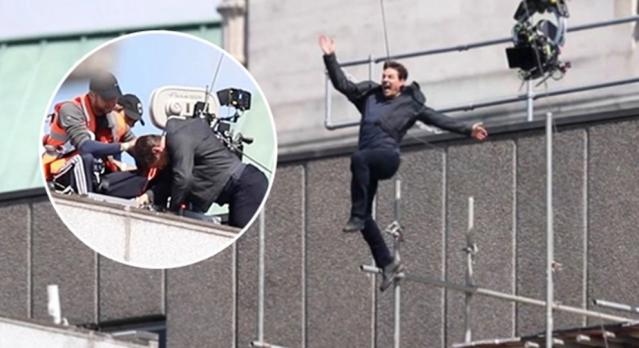
This is worsened by the fact that fast-paced shooting schedules rarely allow for proper rest between demanding action scenes. The pain becomes part of their daily lives, both on and off the set. Behind every spectacular stunt is a body paying a very real price.
What role does adrenaline play in stunt injuries?
Adrenaline helps stunt performers push through intense pain and complete dangerous scenes. It masks injury symptoms temporarily, allowing them to continue performing despite serious physical damage. However, once the adrenaline wears off, the hidden pain often becomes more pronounced and difficult to manage.
Recovery Routines Between and After Shoots
Recovery plays a critical role in keeping stunt performers physically able to work. Many rely on consistent massage therapy and cold exposure to manage inflammation. Stretching routines are done daily to keep muscles loose and functional.
Some performers commit to yoga or Pilates to help maintain flexibility and balance. Strength training is used to protect weak joints from further damage during stunts. Electrical muscle stimulation may assist in recovery after especially intense action scenes.
Verywell Health states that electrical stimulation works by applying electrical currents to targeted muscles and nerves. This therapy helps strengthen weak muscles and reduce pain signals. It also promotes better blood flow, helping with the healing process.
Between films, many go through full rehab programs to restore their bodies. Without these routines, long-term participation in the industry becomes almost impossible to sustain. Recovery is not optional but a necessary part of the profession.

What mental challenges accompany the recovery process?
Stunt performers often face mental challenges during recovery, such as frustration and fear of re-injury. The extended downtime can cause anxiety about getting back into action. Maintaining a positive mindset and staying motivated is essential to overcoming the mental hurdles that come with recovery and physical setbacks.
Mental Strength and Pain Endurance
Handling chronic pain requires more than physical training and medical support alone. Stunt performers develop mental discipline to push through intense discomfort during performances. Breathing techniques are used to stay calm in physically demanding situations.
Meditation helps many manage anxiety and pain before and after stunts. Some work with sports psychologists to develop long-term mental endurance strategies. Fear is a natural reaction that they learn to control through visualization practices.
Mental strength is critical when injuries must be ignored to finish filming. Unlike others, stunt performers may work while hurt to keep their jobs. Staying mentally strong becomes as important as staying physically fit.
What mental techniques are used to manage pain long-term?
Pain management involves mental techniques such as mindfulness and progressive muscle relaxation. These practices help performers detach from the pain and prevent it from affecting their work. Over time, mental endurance strategies become just as important as physical recovery in handling chronic discomfort.
When Medication Becomes a Lifeline
Many stunt performers turn to medication to manage persistent and serious pain. Over-the-counter pills are used initially for inflammation and muscle soreness. As injuries worsen, prescription medications may be added to help with daily function. Nerve damage often requires specific medications that target long-term discomfort and sensitivity. In severe cases, painkillers can offer relief after surgeries or intense trauma.
The Cleveland Clinic mentions that opioids are sometimes prescribed, but must be carefully monitored to prevent dependency. Many opioid users find it hard to stop once the medication becomes part of their daily pain routine. The process of withdrawal can be emotionally and physically taxing.
Some doctors prescribe medications like Suboxone to help manage opioid dependency, but this, too, has its complications. Suboxone can cause side effects such as nausea, dizziness, and dry mouth, which may lead to tooth decay over time. These unexpected side effects have sparked legal action, with several individuals filing lawsuits against Suboxone manufacturers.
Suboxone lawsuits center around insufficient warnings about dental damage and other long-term health risks. These legal claims are a reminder that balancing pain management with work requires constant vigilance and informed choices. The goal is always pain relief without losing control over long-term health or quality of life.
How do stunt performers manage post-surgery recovery?
Post-surgery recovery is typically supported by a combination of medication, physical therapy, and rest. Pain relief and muscle-strengthening exercises play an important role in ensuring complete rehabilitation. The recovery process often requires a carefully structured plan to avoid re-injury and regain physical function.
Long-Term Health Planning for a Stunt Career
Stunt performers often think ahead to protect themselves after years in action. Many eventually transition into safer roles like training younger performers or stunt coordination.
Indeed highlights that AFTRA requires you to complete at least 500 days as a stunt performer to be eligible to work as a coordinator. On average, it takes about five years to reach this milestone. The American Federation of Television and Radio Artists offers an online system to track your qualifying days and wages earned.
These roles allow them to stay involved without the physical demands of stunts. Health insurance is essential for covering injuries that may occur on set. Some join professional groups that offer recovery funding and legal support. Saving money becomes important since injuries can interrupt regular income opportunities.
Long-term pain makes retirement planning an urgent priority for aging stunt professionals. They advocate for stronger protections and medical resources across the movie industry. Managing pain includes thinking about life after the action slows down.
How do stunt performers secure health insurance?
Stunt performers often join professional unions or associations that provide health insurance and other benefits. These organizations offer access to coverage for on-the-job injuries and long-term medical care. Health insurance becomes an essential part of securing their well-being as they age and face physical limitations.
The life of a stunt performer requires extraordinary physical and mental resilience every day. Behind the thrilling scenes, many face chronic pain and hidden struggles off-camera. They rely on strict recovery routines and strong mental toughness to keep going. Managing medications and planning long-term career changes becomes necessary for their well-being.
These challenges show how much personal sacrifice stunt performers make for entertainment. Their experiences highlight the urgent need for better support systems in the industry. Increased injury transparency and comprehensive health planning are essential for their futures. Supporting these heroes helps them thrive beyond their on-screen roles.